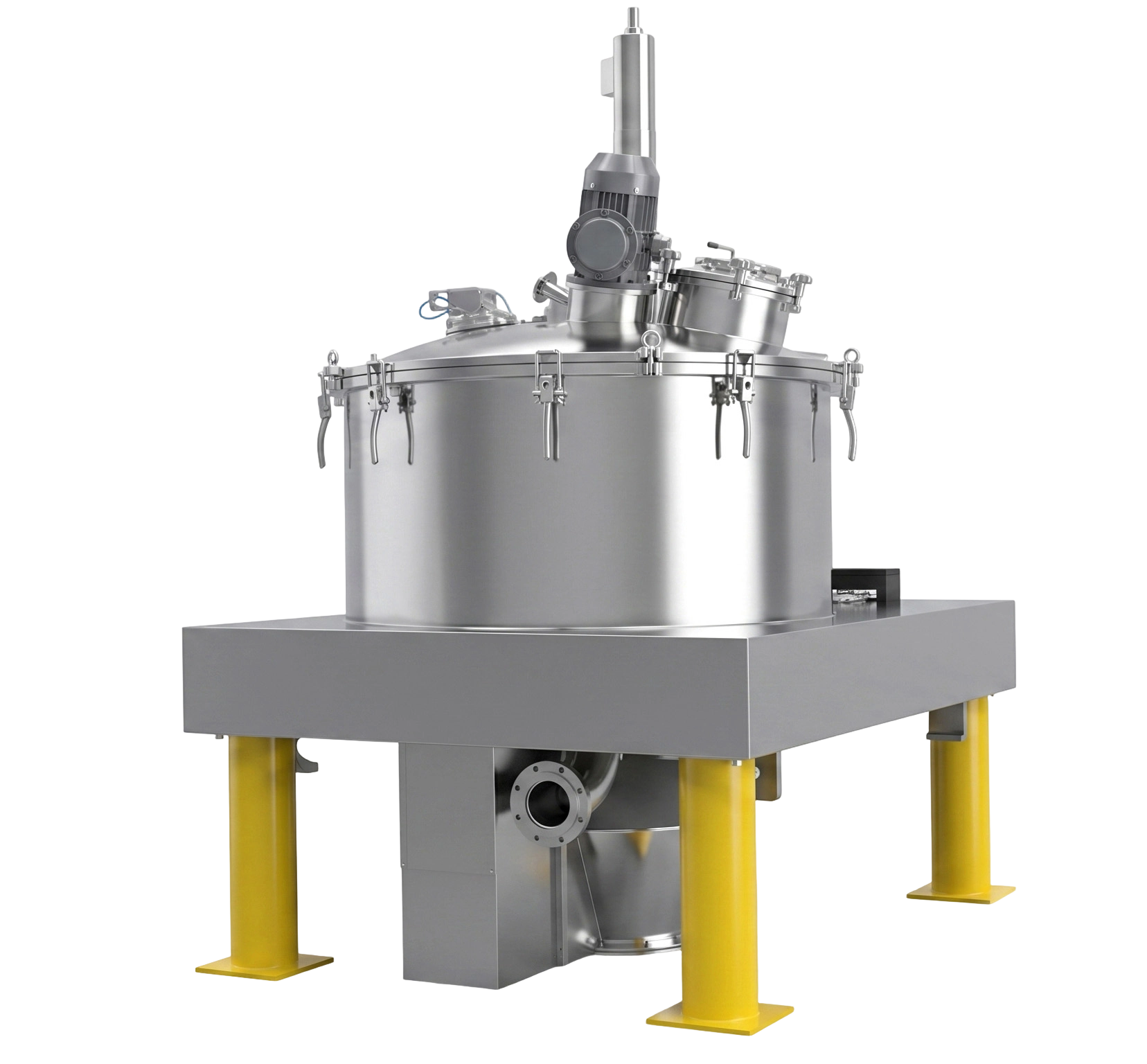
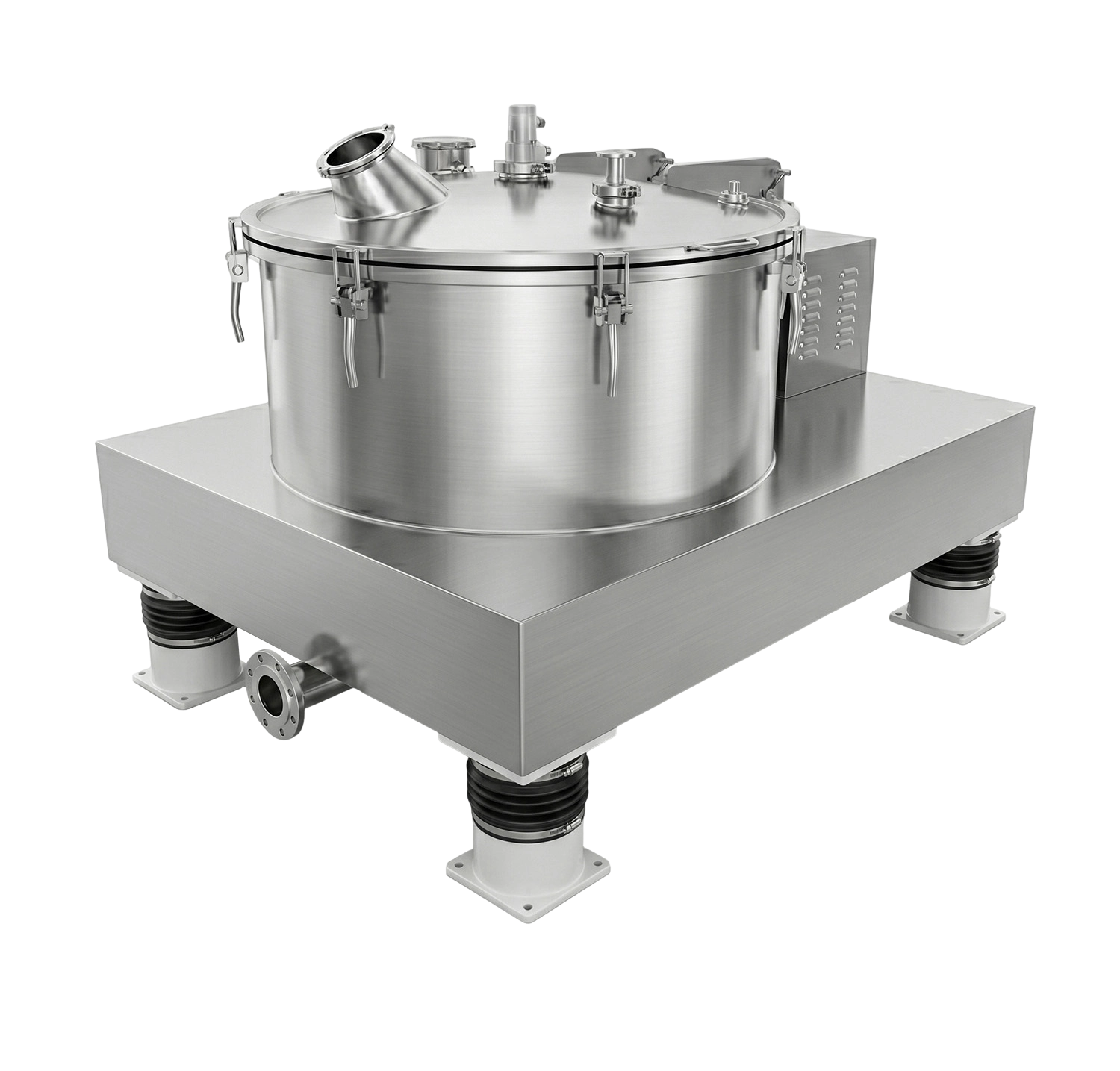
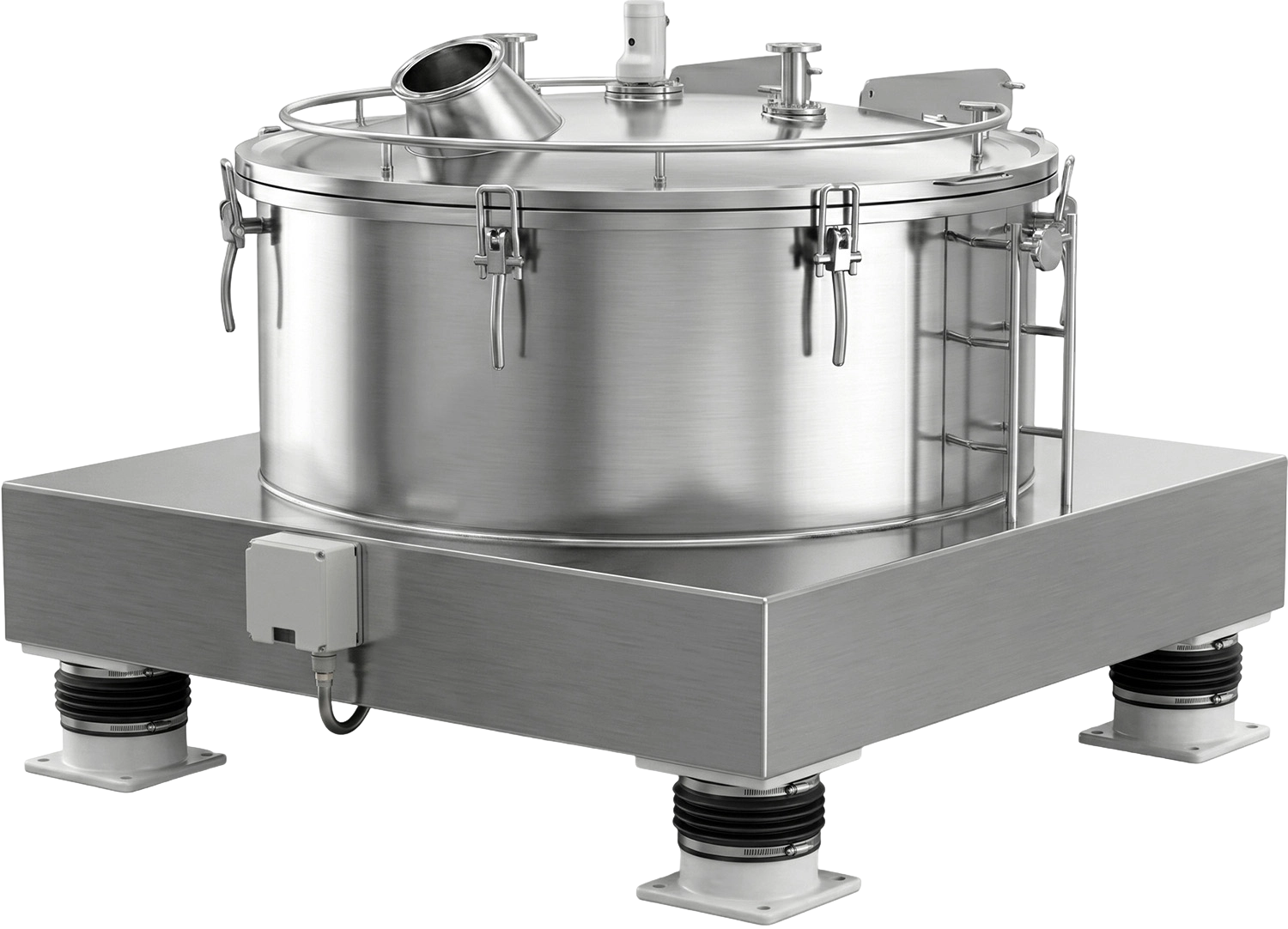
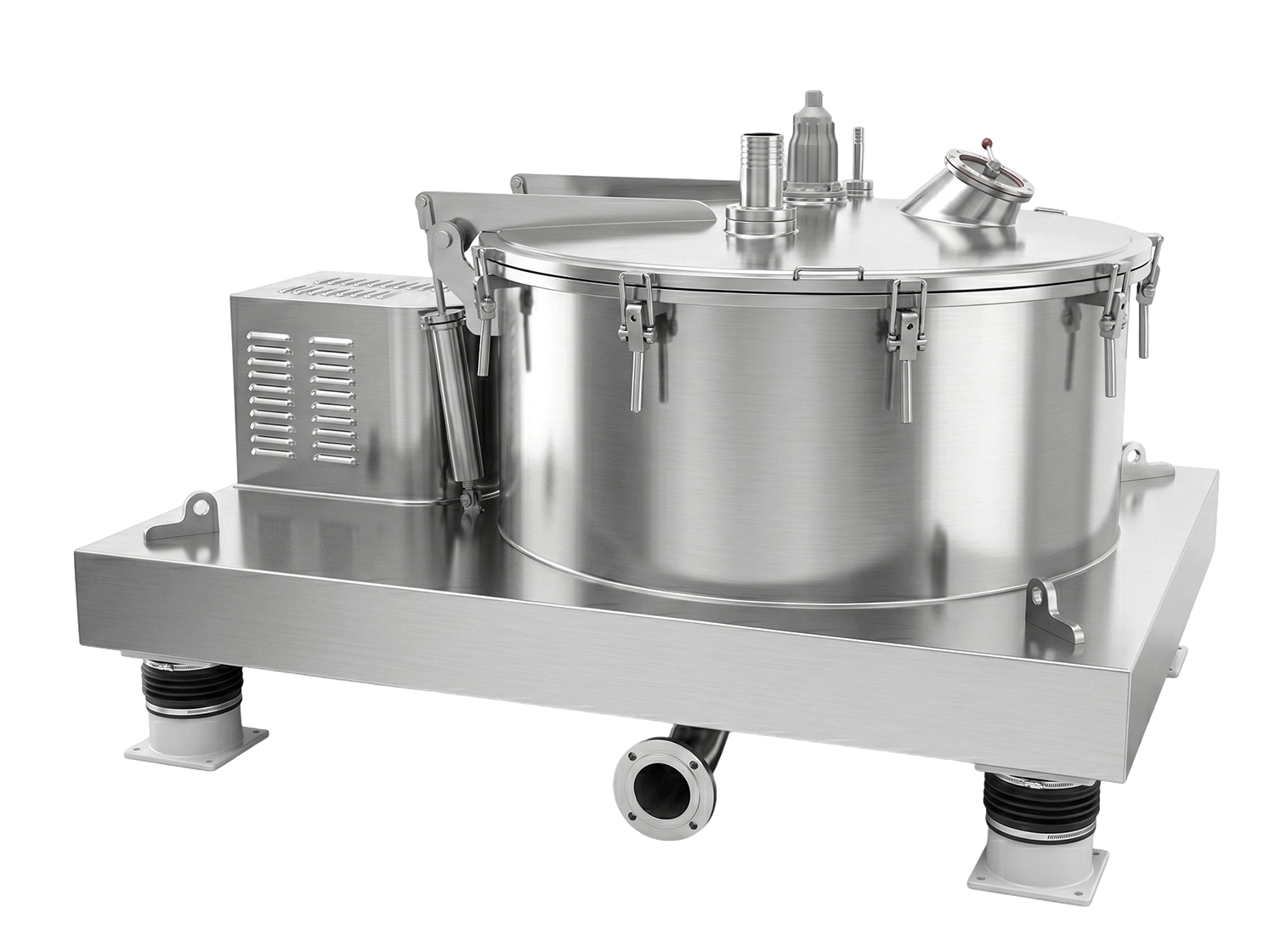
01、How to maintain the high-speed centrifuge in good operation
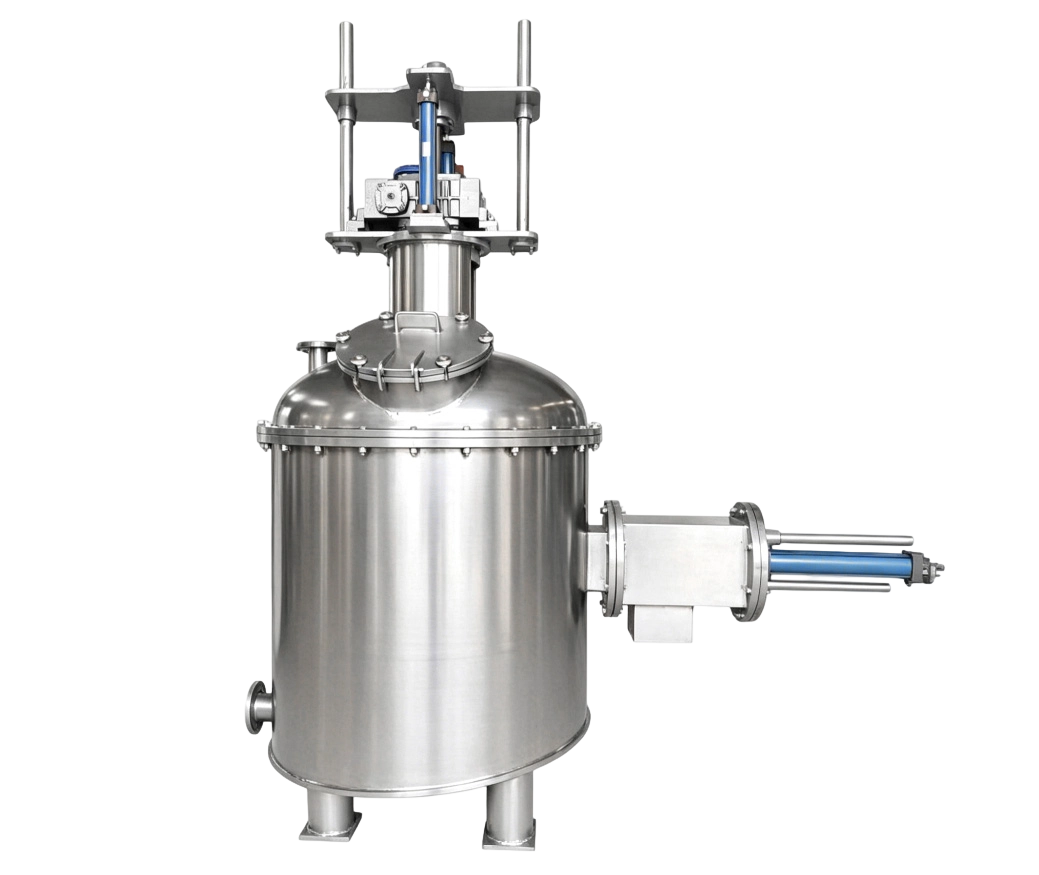
When using a high-speed centrifuge, it is essential to pay attention to its operating principle. For safe use, one must start with daily maintenance and correct operation. It is important to adhere to the precautions for using the high-speed centrifuge, as this can improve the machine's work efficiency. Especially, it is necessary to use the centrifuge correctly according to its characteristics to achieve good operational performance. When operating the centrifuge, one must proceed from a safety perspective and start with its principle. Here, Kecheng Xiaobian will introduce in detail how to maintain the good operating state of the high-speed centrifuge, which can help everyone use the centrifuge correctly.
How to maintain a high-speed centrifuge in good condition? It is essential to pay attention to the user manual of the high-speed centrifuge and follow the recommended usage methods outlined therein. Ensure that the correct water and air ratios are supplied to the high-speed centrifuge, and the proportioning work must be done properly. Only use approved brand oil for lubrication, and regular inspections of the oil usage condition must be conducted. The maintenance and upkeep of the high-speed centrifuge are crucial and must be taken seriously. Make all necessary preparations to maintain normal operation, ensuring that the high-speed centrifuge operates according to the recommended design scheme parameters. Only in this way can the high-speed centrifuge achieve good work efficiency.
Maintaining the high-speed centrifuge in good condition relies on daily maintenance and proper operation. It is essential to adhere to the recommended service intervals, strictly follow the machine's preventive maintenance instructions, and not overlook minor details. It is imperative to comply with the precautions and persist until the end. Before reinstalling the high-speed centrifuge, it is necessary to thoroughly clean the components.
Only genuine accessories provided by the original equipment manufacturer should be used for service and maintenance, and they must be stored in a clean, safe, and dry place. Strictly use authentic accessories to ensure the promised performance and reliability, and to guarantee the service life of the high-speed centrifuge. When managing the inventory of critical spare parts, such as oil and kits for medium and major maintenance, it is essential to follow storage regulations to prevent damage or corrosion of the spare parts. Monitor the high-speed centrifuge continuously, keeping track of the equipment's vibration process and bearing temperature. Regularly inspect the equipment for any leaks or abnormal noises, and address them immediately if found. Always keep the operating area clean, and remember not to place components directly on the ground. Develop good operating habits from the beginning to avoid mistakes due to improper operation.
02、What are the uses of centrifuges
Centrifuges are now widely used, whether for industrial applications, laboratory use, or other purposes. They are of great help to our research on various machinery, conducting experiments, and performing data analysis and collection during the pilot stage. Therefore, many people are now paying attention to information about centrifuge agents. Depending on our usage or scope of application, the criteria for classification are different. What are the specific classifications of centrifuge applications?
Now we have a better understanding of the standards for classifying centrifuges according to their usage. Besides classification based on usage, they can also be classified according to their types, capacities, and rotational speeds. Common classifications include filtration centrifuges, sedimentation centrifuges, high-speed centrifuges, ultra-high-speed centrifuges, and so on. When choosing, the aspects we need to pay attention to will vary. Additionally, we need to consider factors such as the footprint of the centrifuge or its filtration method. Different centrifuges have different requirements for rotational speed settings or usage specifications. Therefore, when purchasing, it is important to read the product manual carefully. If classified according to their usage, common and useful centrifuges include biological centrifuges, pharmaceutical centrifuges, chemical centrifuges, food centrifuges, dairy centrifuges, beauty centrifuges, specialized centrifuges, mineral centrifuges, coal tar centrifuges, and so on. There are quite a few classification standards or types. If used in the environmental protection field, there are also sewage centrifuges or wastewater centrifuges.
03、What should be paid attention to when installing and using a centrifuge
Whether we purchase laboratory centrifuges, low-speed centrifuges, or high-speed centrifuges, it is crucial to pay attention to relevant operation and installation specifications when making the purchase. Proper installation is essential to avoid potential malfunctions during later use. Throughout the installation process, balance is a key consideration. What specific precautions should be taken when installing and using a centrifuge? Now we have a better understanding of the key points to consider for the installation and use of centrifuges. The most important aspect is finding balance. If there is any imbalance, excessive vibration or separation issues may arise during later use, and other malfunctions may also occur. Therefore, it is essential to conduct a thorough installation before use. After installation, the power supply should be turned off for inspection, or a power-on test should be conducted in advance. Only after ensuring that there are no issues can the centrifuge be used normally.Generally, a grounding wire is used to ensure maximum safety during use or for the safety of operators.
The grounding wire must be reliable to avoid electric leakage. It should not be connected to heating pipes or water pipes underground. Additionally, the ground must be flat to ensure that the rotor of the centrifuge can work normally without sinking in. When installing, it is important to check whether the ground is solid, and the installation and transportation location must also be secure. Leveling is also necessary. Generally, the cover of the centrifuge is opened to check the levelness on the main shaft. If there is an imbalance, the bolts need to be adjusted to achieve balance. When installing and using the centrifuge, it is important to ensure that the entire installation process is carried out in accordance with specifications. Pay attention to the power supply voltage. The fluctuation range should not exceed approximately 10% up and down. If there is concern about normal operation, a voltage stabilizer can be used specifically to stabilize the voltage. Additionally, the grounding wire must be secure.
04、How should the technical parameters of the centrifuge be set
When purchasing a centrifuge, or any other laboratory centrifuge, we must not overlook the correct usage methods or related technical parameters and settings. If the technical parameters are set incorrectly, it may lead to separation issues or prevent normal separation from occurring. Now we have a better understanding of how to set the technical parameters of a centrifuge. Additionally, when using it, there are certain requirements for the associated motor or power supply. The voltage setting is usually 220 volts, the weight is approximately 50 kilograms, and there are also certain requirements for the external dimensions. When purchasing, these technical parameters and other factors must also be taken seriously.
How should the technical parameters of the centrifuge be set specifically?
Centrifuges vary in speed according to their capacity. They are typically controlled by microcomputers, equipped with touch panels or digital displays for setting parameters. The highest speed must not exceed 16,000 rpm with an accuracy of no more than 100 rpm, and the maximum relative centrifugal force is 17,800 g. The maximum timing duration is 99 minutes. Compared to previous centrifuges, this one features an intelligent or automated operating system. Additionally, the brushless DC motor has various fault recognition and alarm functions, ensuring high safety. It causes minimal damage during use and heats up quickly. During high-speed operation, it effectively prevents deformation of centrifuge tubes during setup.
05、What are the components of a centrifuge
Now we have a better understanding of some common components of centrifuges. When operating and using different parts, we must also pay attention to certain aspects of usage. For example, the most important component is the centrifuge's rotor. During the entire operation process, it is essential to ensure dynamic balance. During the entire usage process, it is also necessary to complete the wiring work for sensors, vibration meters, or phase meters. Place the sensor at the outer shell of the front bearing, open the end cover of the centrifuge, and mark the top end surface of the rotor with fractional marks. Only after completing these preparations can the centrifuge be started for operation. Strictly speaking, a centrifuge is also a type of machinery. Whether we choose a medical centrifuge or an experimental centrifuge, we must have a basic understanding of the centrifuge's structure and basic knowledge during the entire operation process. This way, when any problems arise, we can immediately identify which components are faulty. What are the specific components of a centrifuge?
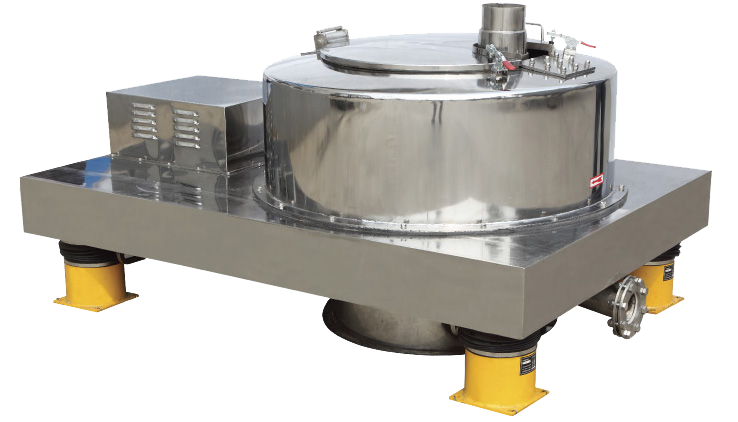
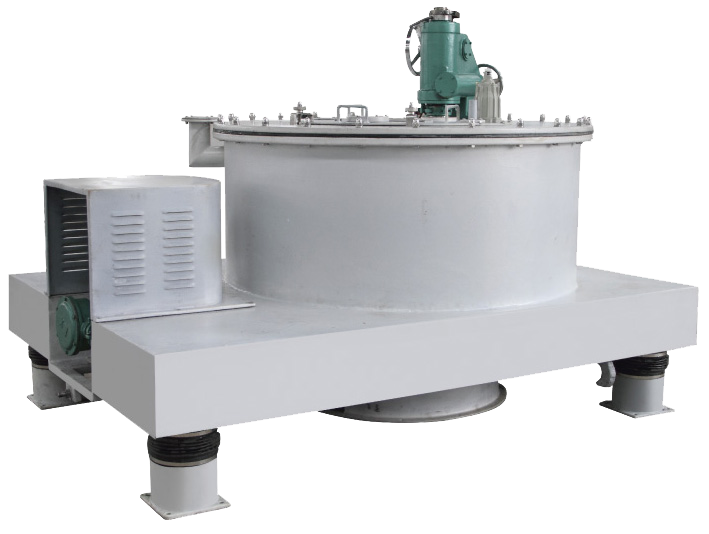
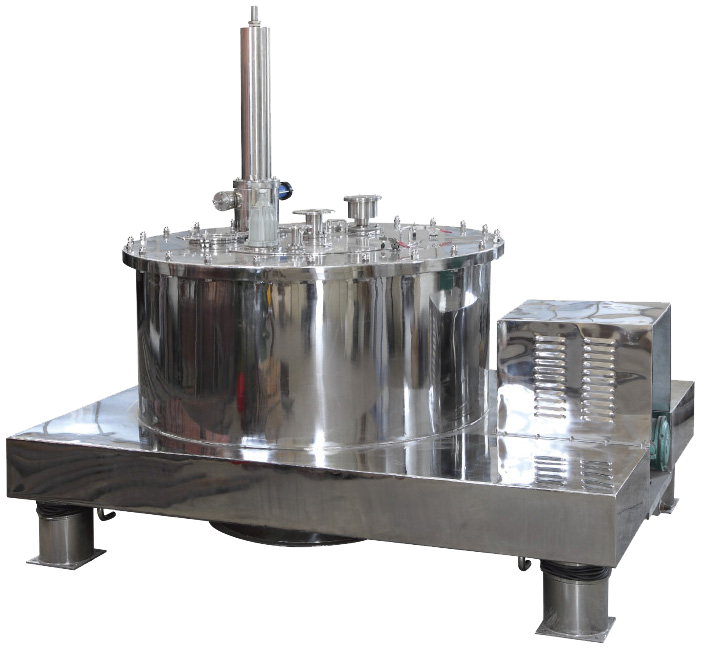
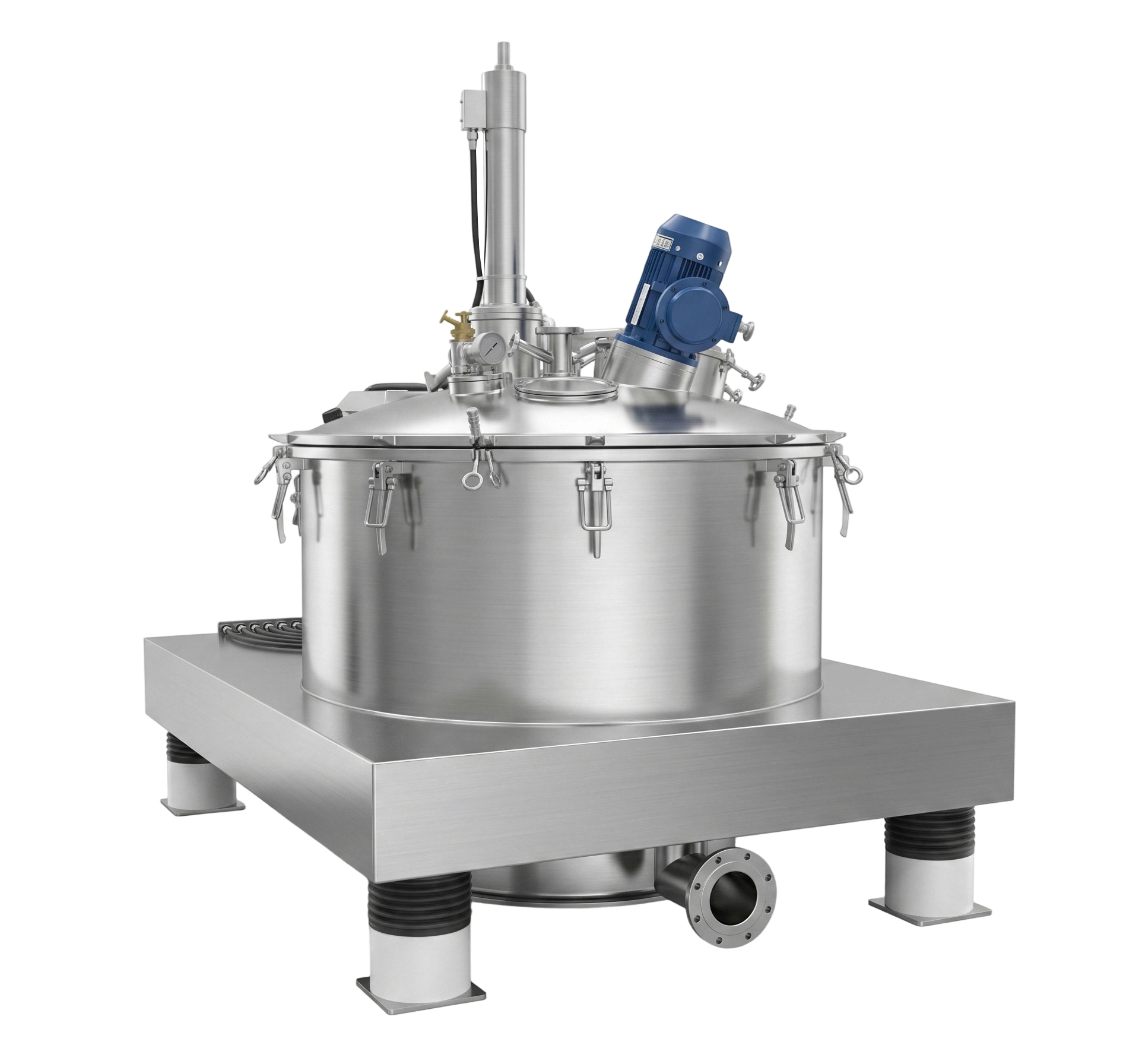
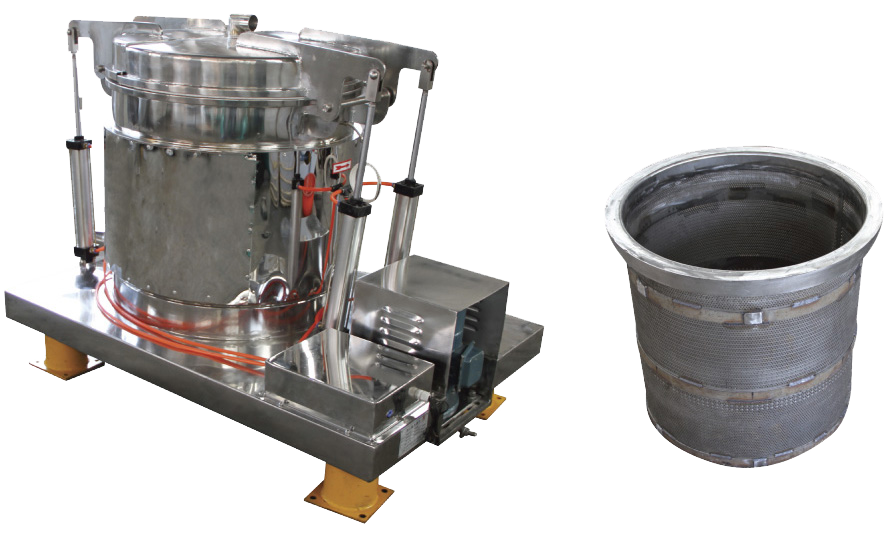
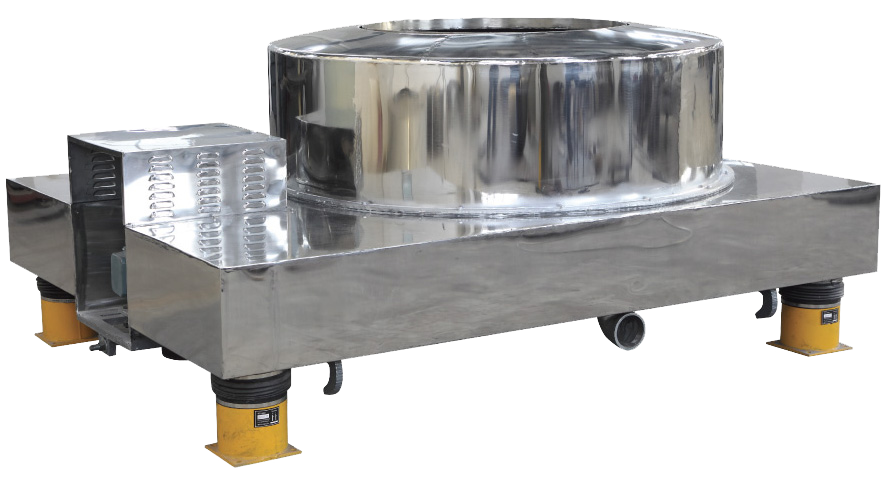
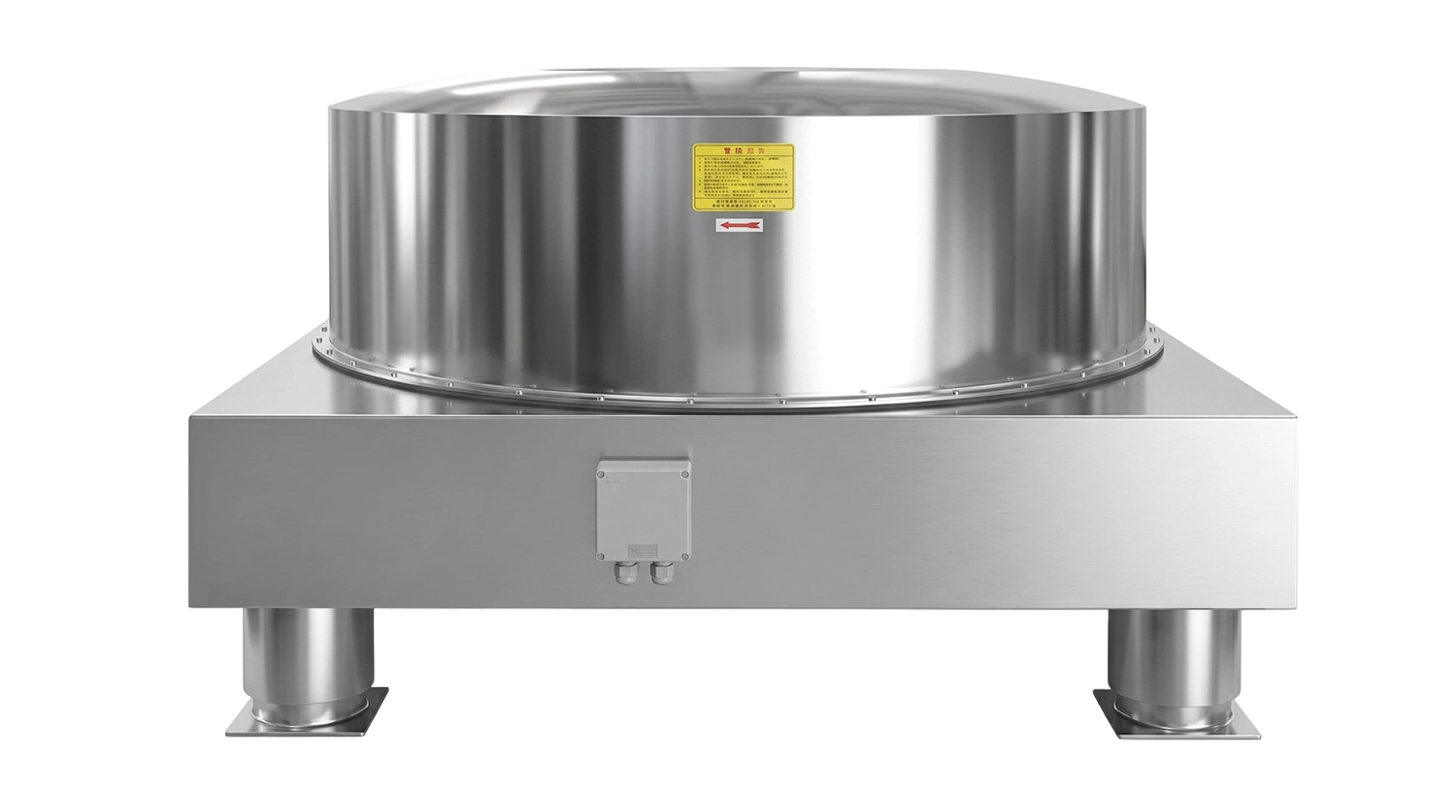
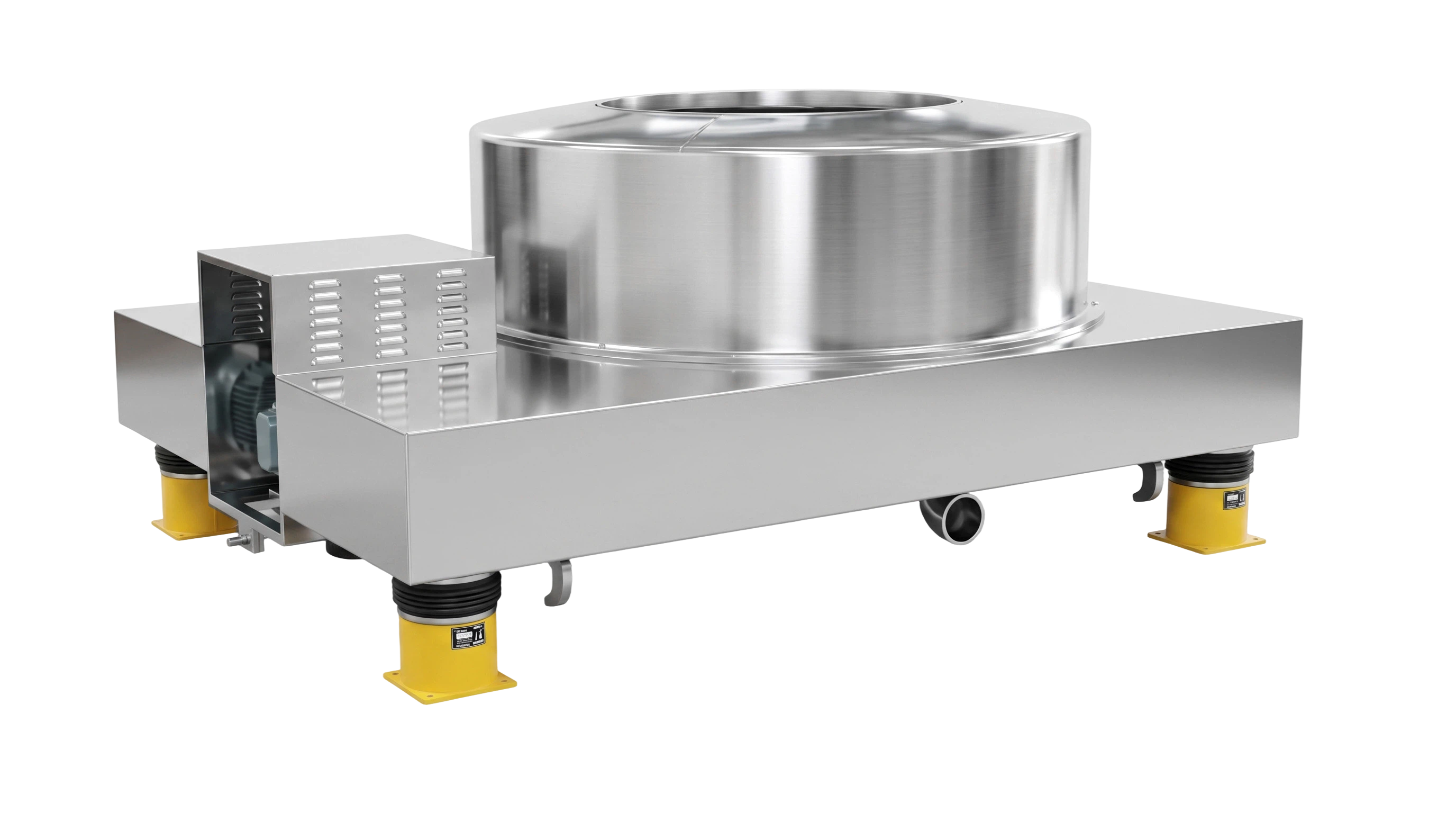
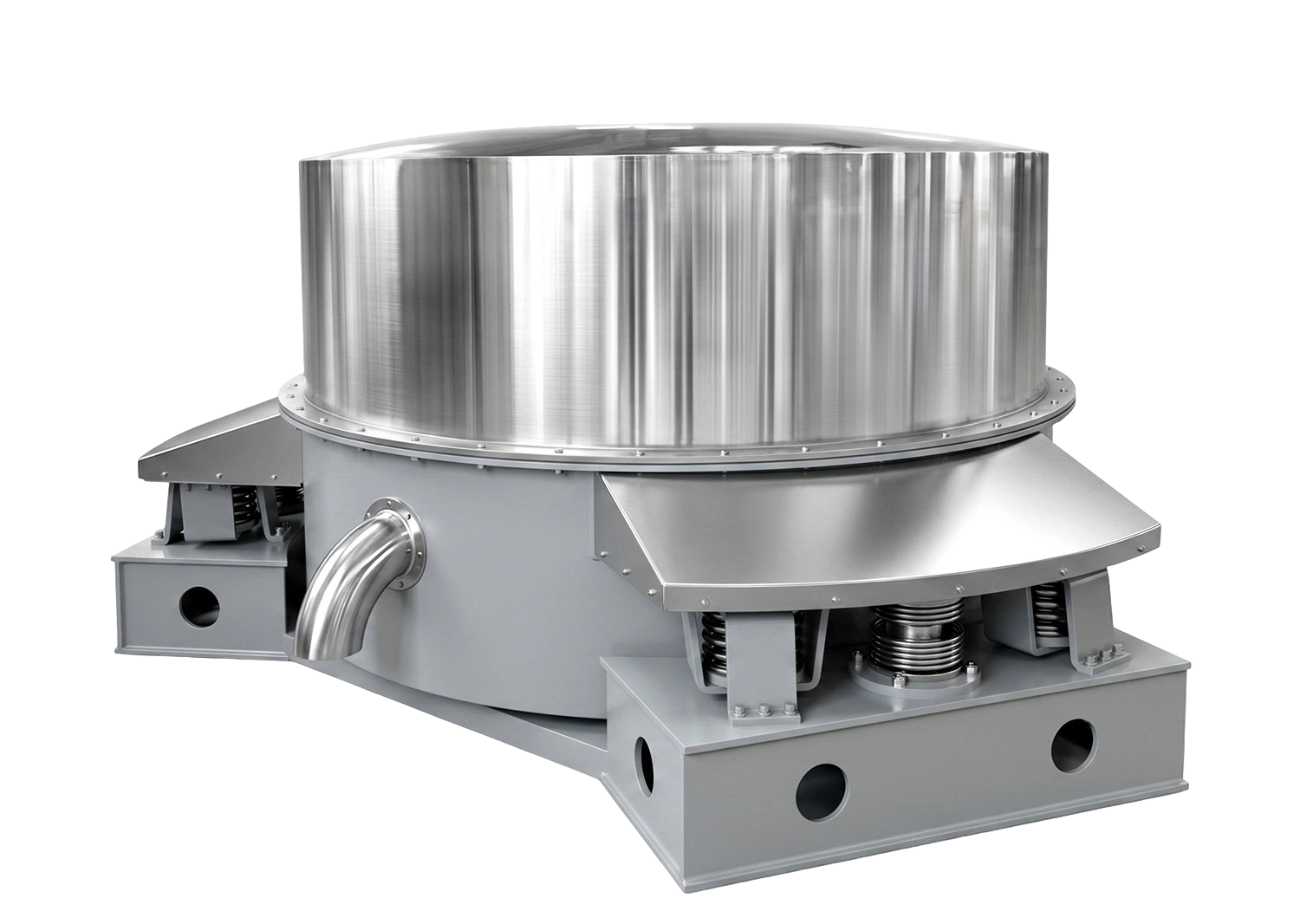
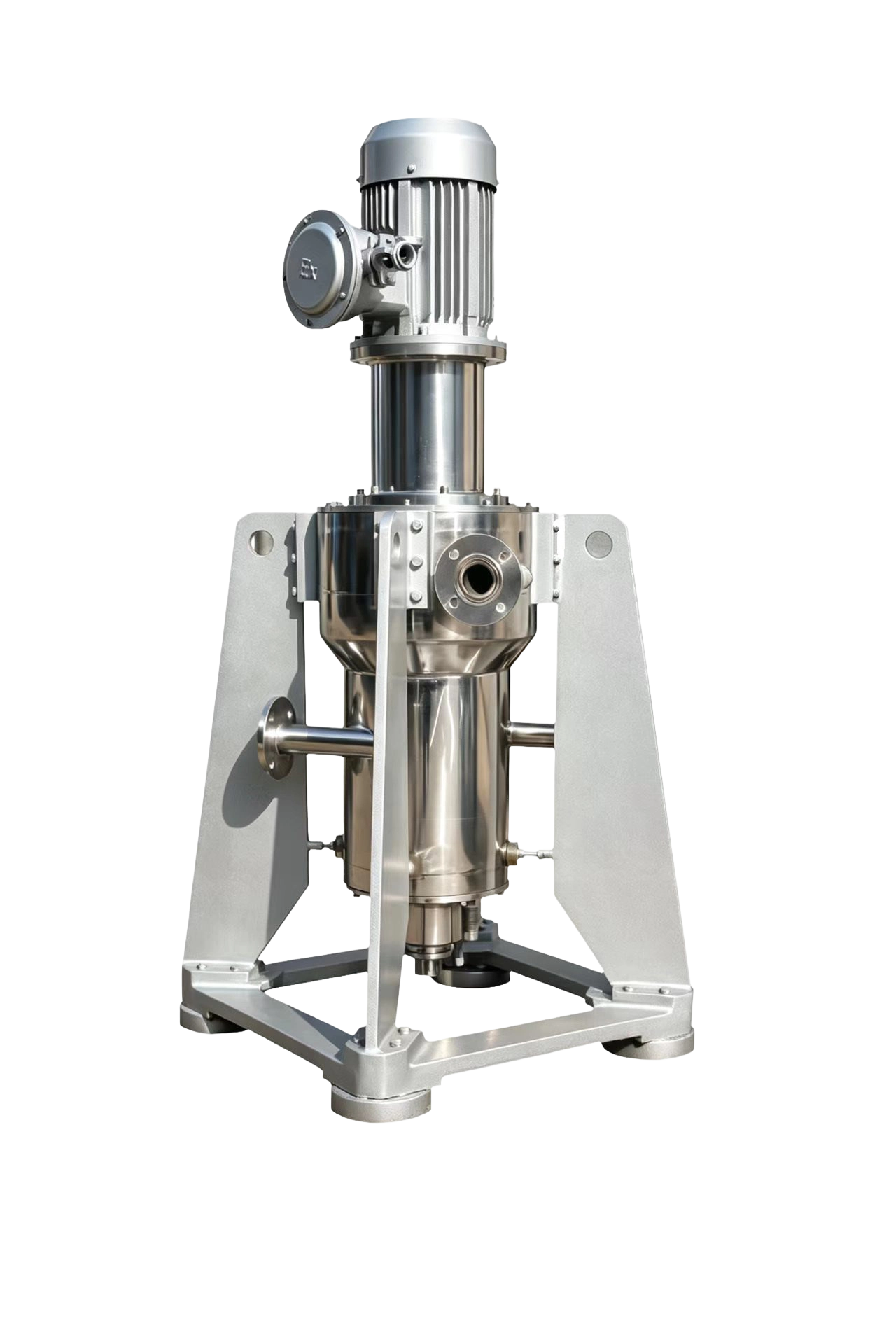
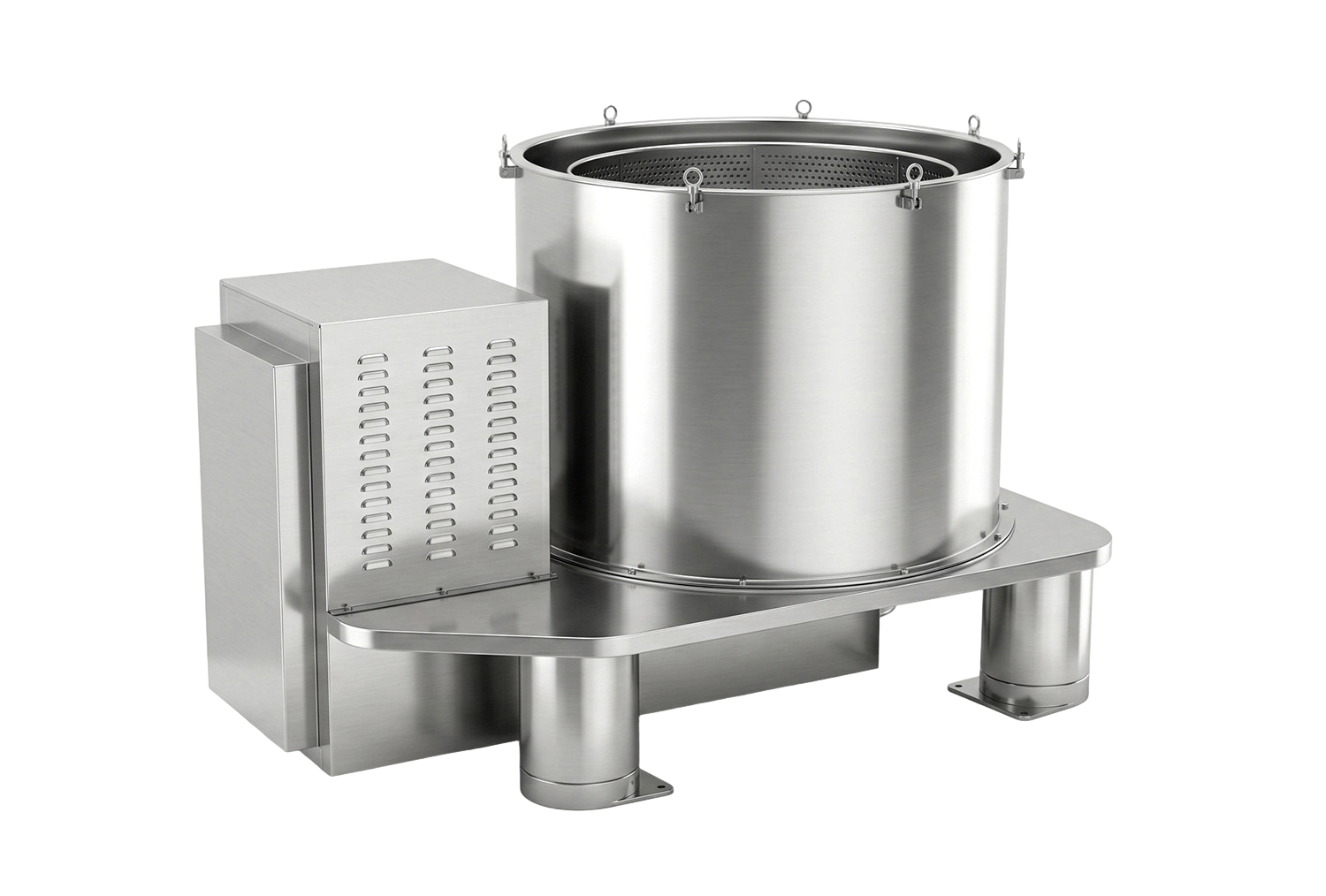
When selecting a centrifuge, we should pay attention to the brand or manufacturer of the centrifuge. Additionally, it is important to understand the components of a centrifuge. Common components of a centrifuge include a base, a shell, a rotor, or a motor. The rotor, also known as the inner container, has many small holes. Fillers can be placed inside the green bag, which can then be placed inside the rotor. The entire operation process generally involves the motor driving the rotor through a V-belt, which, after high-speed rotation, generates a strong centrifugal force to separate the liquid from the material, thus achieving solid-liquid separation.
06、Why is the separation effect of the centrifuge you purchased not good
With the continuous development of mechanical technology, previous standards are no longer the same today. The requirements for customer separation effects are also very high, but the overall performance has not improved. This is meaningless for the development of various industries or the entire centrifuge production industry. It is not difficult to understand why most customers with separation needs come to us. The production standards, design standards, and maintenance standards for tubular centrifuges, disc centrifuges, horizontal scroll centrifuges, and flat centrifuges in centrifuge production have been continuously improved based on the separation needs of the entire market for a long time. If it is a newly started centrifuge manufacturer or some smaller equipment production company, it is unable to meet such standards. Without rich experience, it is also impossible to provide customers with good separation suggestions based on actual situations and accurately identify the problems with separation effects, thereby improving the required performance. Whether it is material, performance, pre-sale and after-sale services, or lifelong equipment maintenance, we can provide customers with more guarantees. There are always customers who reflect to us that the separation effects of the centrifuges they choose are always unsatisfactory. We want to provide effective suggestions and select suitable separation equipment through our professional separation technology and equipment, as well as technicians with many years of separation experience. The more feedback we receive, the greater our progress will be, so our problem-solving ability is also getting stronger. Nowadays, centrifuge manufacturers emerge endlessly, and the production standards of different manufacturers are inconsistent. Under the mixed market operation mode, it is increasingly difficult to buy a good centrifuge.
The separation effects and requirements of different materials, including corresponding adjustments, necessitate thorough inspection. We also cordially invite you to visit our factory at any time for a complimentary material separation experiment. Through effective guidance and debugging, we aim to achieve your desired separation goals, ensuring you purchase a centrifuge that brings you peace of mind and comfort. In fact, for our centrifuge manufacturers, the separation effects of centrifuge equipment at the same price point are not significantly different. However, for our customers' separation needs, this so-called quality becomes particularly crucial. If the separation meets the customer's requirements, then the centrifuge is good; if not, it is not. However, a centrifuge is a mechanically sophisticated device. Looking at the details, every aspect, such as meeting standards, selecting quality materials, balancing kinetic energy, and setting reasonable criteria, can be a criterion for judging the quality of a centrifuge device. Therefore, when your purchased centrifuge performs poorly, you should not solely rely on the separation effect. After all, purchasing a device that can be used for a long time is crucial.
07、The impact of routine maintenance on the work efficiency of centrifuges
With the continuous development of China's industry, enterprises are not only facing fierce competition in the market but also facing stringent requirements for their own production and operation costs. "Saving" means "earning", and centrifugal air compressors (hereinafter referred to as centrifuges), as a versatile air compression equipment, are increasingly favored by users. Centrifuges are currently the most efficient type of air compressor on the market. In practical use, to truly achieve "making the best use of everything and enjoying its full effect", not only does it require centrifuge manufacturers to continuously develop more efficient products; at the same time, an accurate selection plan that closely matches actual gas usage needs and achieves "producing as much gas as consumed and producing as high pressure as applied" is also particularly important. In addition, strengthening the maintenance and care of centrifuges is also a reliable guarantee for their long-term stable and efficient operation.
1. Gas characteristics during compression process
During the compression process, the gas is in a state of supersaturation, high temperature, and high humidity. The liquid water in the compressed air combines with acidic gases in the air, causing corrosion to the inner walls of the gas, impellers, diffusers, etc., affecting the intake air volume and reducing efficiency.
2. Quality of cooling water
Differences in carbonate hardness and total suspended particulate matter concentration in cooling water lead to fouling and scaling on the water side of the cooler, affecting heat transfer efficiency and subsequently the overall operational efficiency of the machine.
3. Dust particles in the air
After being filtered through the intake filter, the gas still contains fine dust particles that can accumulate over time on the impeller, diffuser, and cooler fins, affecting the air intake volume and subsequently the overall efficiency of the machine.
08、Five practical methods for diagnosing and detecting faults in centrifuges
When the centrifuge is used for a long time or operated improperly, it is prone to encounter various problems. So how do we diagnose faults in high-speed refrigerated centrifuges? The so-called cooling method involves wiping anhydrous alcohol on the suspected faulty part with a cotton swab to cool it down and observe whether the fault is eliminated. The so-called heating method involves artificially increasing the ambient temperature, such as placing an electric soldering iron near the suspected part (be careful not to raise the temperature too high and damage normal components), to see if the fault occurs.
1. Exclusion method
The so-called exclusion method involves diagnosing the cause of a fault by removing and reinserting certain plug-in boards and components within the machine. If the instrument returns to normal after removing a specific plug-in board or component, it indicates that the fault lies there.
2. Observation method
Utilize vision, smell, and touch. Sometimes, damaged components will change color, develop bubbles, or show burnt spots; burned devices will emit a distinctive odor; short-circuited chips will become hot; and soldering defects or loose solder can be observed with the naked eye.
3. Temperature rise and fall method
Sometimes, when the instrument has been operating for an extended period or in a high-temperature working environment during summer, it may malfunction. If it is shut down for inspection, it appears to be normal, but after a period of time, it malfunctions again. This phenomenon is due to the poor performance of individual ICs or components, and their high-temperature characteristic parameters failing to meet the required specifications. To identify the cause of the malfunction, the temperature rise and fall method can be employed.
4. Comparison method
It requires two instruments of the same model, with one operating normally. This method also necessitates the use of essential equipment, such as multimeters and oscilloscopes. According to the nature of comparison, there are voltage comparison, waveform comparison, static impedance comparison, output result comparison, current comparison, etc.
The specific method is as follows: operate the faulty instrument and the normal instrument under the same conditions, then detect the signals at some points and compare the two sets of measured signals. If there are differences, it can be concluded that the fault lies here. This method requires maintenance personnel to possess considerable knowledge and skills.
5. Isolation method
The fault isolation method does not require high-speed refrigerated centrifuges or accessories of the same model for comparison, and it is safe and reliable. According to the fault detection flowchart, the fault search scope is gradually narrowed down by dividing and surrounding, and then combined with methods such as signal comparison and component exchange, the fault location can usually be quickly identified.